
Shelters of the Future in the Julian Alps
Today we explore the sustainable architecture of alpine huts and eco-lodges in the Julian Alps, examining how designers and caretakers balance comfort, safety, and wildness using local timber and stone, renewable energy, circular systems, and thoughtful forms that respect Triglav National Park’s delicate alpine habitats through every season.
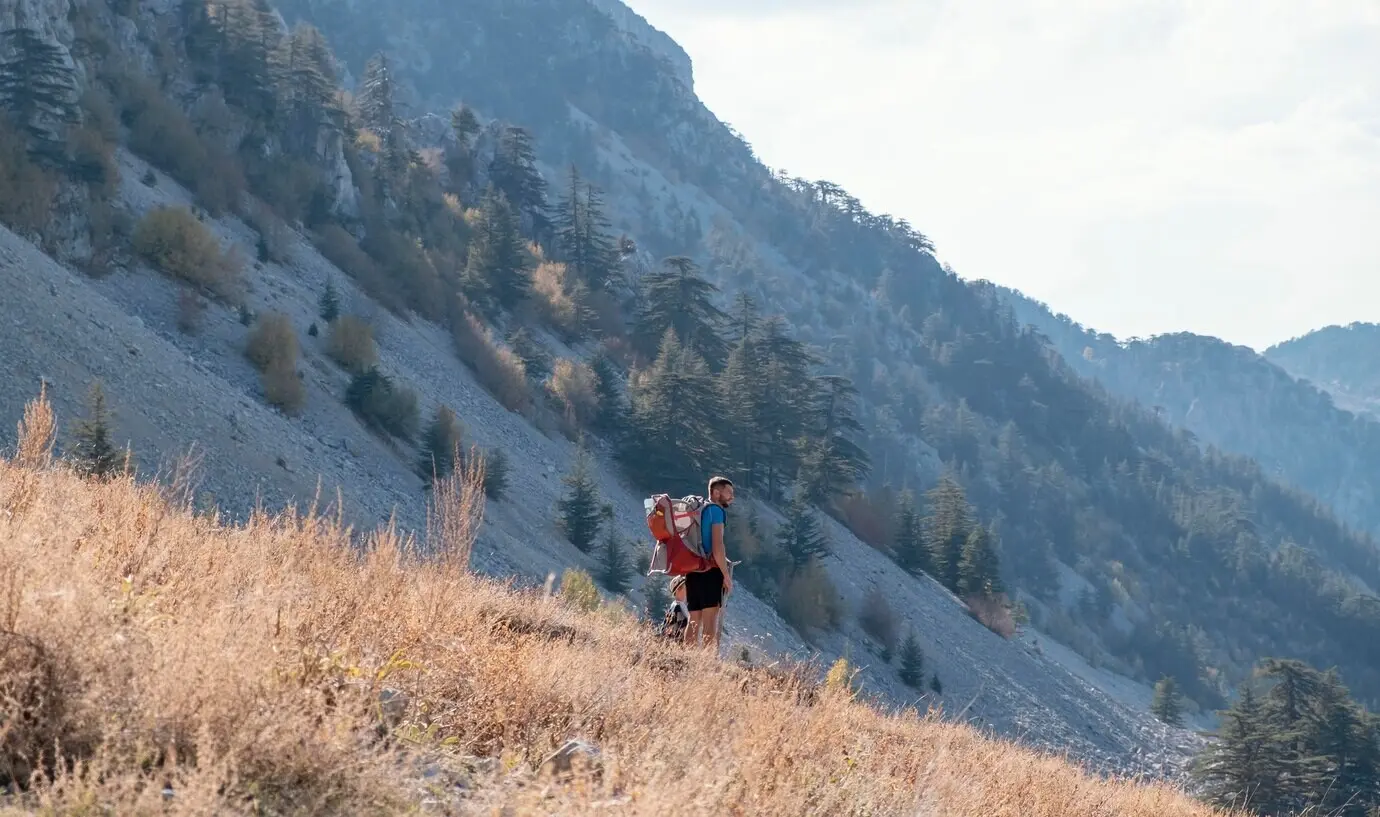
Local Timber, Timeless Knowledge
Larch and spruce harvested from responsibly managed forests become cross-laminated panels, beams, and interior finishes that feel warm even at dusk when temperatures crash. Joinery techniques passed down by mountain carpenters reduce metal fasteners, limit thermal bridges, and enable repairs, while natural oils and gentle finishes honor texture, scent, and the forest’s living memory.

Stone That Breathes Through Winters
Limestone foundations and plinths lift buildings above drifting snow and spring meltwater, while ventilated cavities let trapped moisture escape. Carefully graded aggregates and lime-rich mortars flex with freeze–thaw cycles, avoiding brittle fractures. The result is a quiet resilience that grounds each shelter, visually and structurally, in the geology that shapes every trail underfoot.
Energy Above the Tree Line
When grid lines end, ingenuity begins. Photovoltaics, micro-hydro, and steady conservation habits become the heartbeat of mountain hospitality. Caretakers watch clouds and flows like meteorologists, planning hot tea, drying rooms, and headlamp charging from batteries that quietly hum, proving comfort can be generous without demanding more than the landscape can spare.
Water, Waste, and the Invisible Footprint
In the high country, every drop tells a story. Snowmelt becomes tea; greywater becomes a garden of microbes; what goes out must be carried or transformed with dignity. Systems succeed when visitors become collaborators, respecting signs, closing lids, and embracing rituals that keep the alpine as pristine as the first morning light.
Roof catchments, snow-melt tanks, and protected spring intakes feed multistage filters and ultraviolet sterilizers. Storage bladders are tucked into frost-proof cradles, with gauges guests can read to understand limits. Short showers, cold rinses, and refill stations encourage mindful use, while signage explains why a liter spared today becomes tomorrow’s hot cocoa.
Urine-diverting seats and ventilated chambers keep odors at bay while accelerating decomposition. Carbon-rich bulking agents, rotated drums, and annual testing ensure safe outputs. Clear, kind instructions empower hikers to participate, transforming awkward moments into co-stewardship. The mountain keeps its purity, and caretakers avoid costly helicopter lifts of unnecessary water-weighted waste.
Forms Shaped by Climate and Safety
Architecture listens to wind roses, snow trajectories, and avalanche maps before a single stake hits the ground. Compact volumes, sheltered entries, and layered thresholds tame blizzards, while carefully framed views bring joy. Safety lives in small choices—handrails, reflectors, and reliable signage—that collectively turn wild nights into remembered adventures, not emergencies.
Reading Snow and Wind Like Cartographers
Gabled silhouettes and chamfered corners slip gusts; snow fences redirect drifts from critical doors and vents. Anchors dive into bedrock, and modest overhangs avoid ice daggers above paths. Placement, more than bravado, becomes the real hero—an honest dialogue between shelter and storm that saves energy and nerves alike.
Warmth Without Excess
Triple glazing, airtight layers, and thick, continuous insulation wrap occupants in calm silence. Thermal breaks in balconies and steel legs prevent icy fingerprints on interiors. Stoves sip renewable pellets or locally sourced logs, while heat recovery ventilation exchanges humidity for fresh air, keeping bunks cozy even when frost paints every window corner.
Wayfinding, Light, and Night Safety
Low-glare, amber outdoor lighting preserves stars and migratory patterns while guiding bootsteps to outhouses. Reflective markers and tactile handrails announce edges in whiteouts. Inside, intuitive floor plans reduce nighttime confusion, and emergency kits remain visible but discreet. Comfort is confidence—achieved through small, caring gestures that matter when clouds swallow the ridge.
A Storm, a Lantern, and a Promise
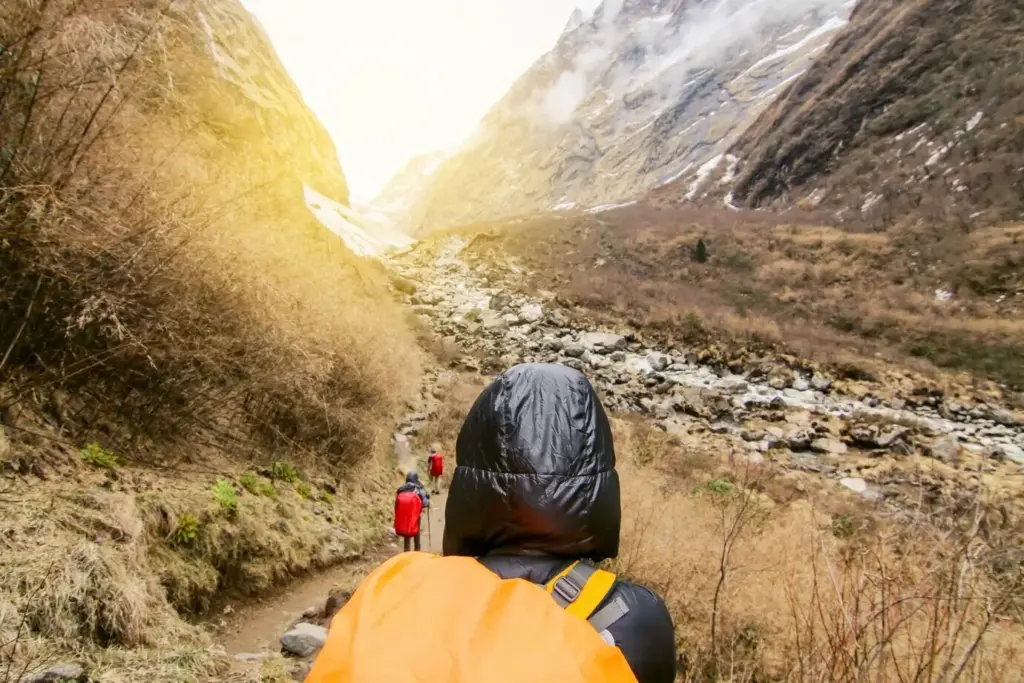
When a sudden squall cut radio contact, a keeper lit a lantern and welcomed soaked climbers one by one, drying gloves above the stove. Later, she spoke about water meters and solar forecasts. No lecture, just care—proof that empathy converts practical limits into community values everyone is proud to uphold.
Buying Local, Cooking Seasonal
Menus celebrate buckwheat štruklji, mountain cheeses, and wild blueberries brought up by mule or periodically flown by helicopter with strict payload discipline. Procurement favors cooperatives and nearby mills, shrinking transport footprints. Guests taste landscapes as they refuel, discovering that emissions drop when cuisine honors the valleys beneath, not distant supply chains.
Retrofits, Prefab, and Circular Futures
The greenest lodge may be the one already standing, carefully renewed. Sensitive retrofits reduce operational energy and honor memory-filled walls. Where new structures are necessary, prefabricated modules shorten fragile construction windows, while design-for-disassembly and material passports ensure today’s shelter can become tomorrow’s resource, not a stranded burden on precious ground.

Trail Stories, Maps, and Your Voice
This journey thrives on participation. Share photos of favorite huts, lessons learned about drying socks sustainably, or routes where you spotted new solar arrays glinting at dawn. Ask questions, challenge ideas, or propose case studies. Subscribe for field notes, design sketches, and interviews that turn distant peaks into collaborative learning grounds.
All Rights Reserved.