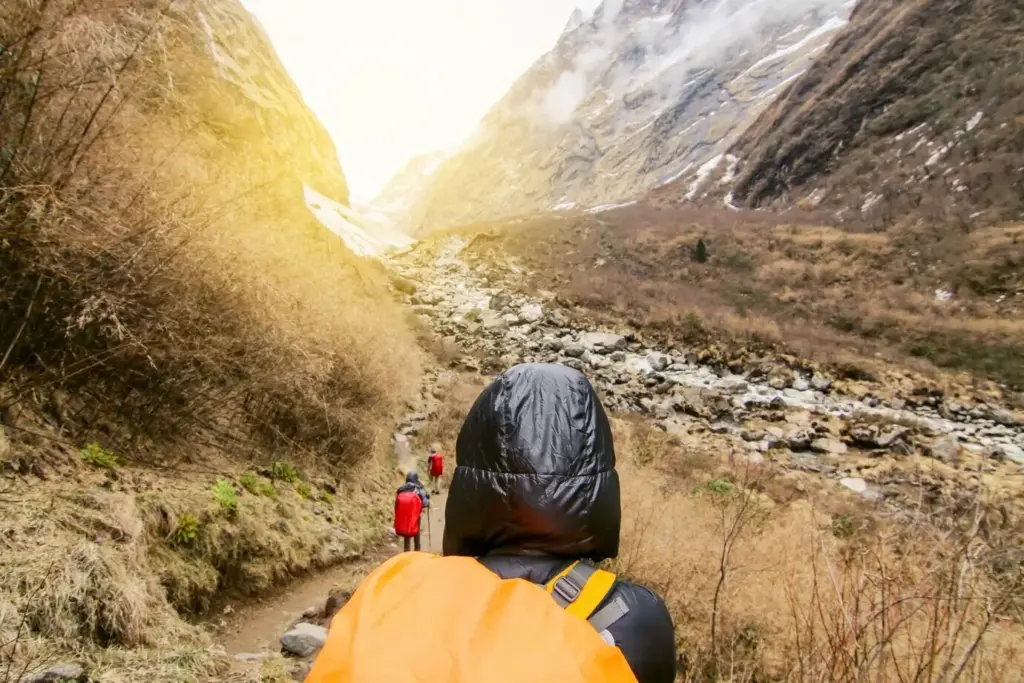
Pack Light, Leave Less: Circular Gear for the Julian Alps

Step into the Julian Alps with confidence and care as we explore circular outdoor gear and the craft of designing low‑impact equipment for unforgettable adventures among limestone peaks. Together we’ll unpack durable materials, repairable systems, rental loops, and field‑tested tricks that keep waste down, keep memories high, and keep gear in use. Expect practical checklists, true stories from Triglav-country ridges, and invitations to share your fixes, subscribe for updates, and help close the loop with every trip.

Circular Principles That Survive Limestone, Snow, and Time
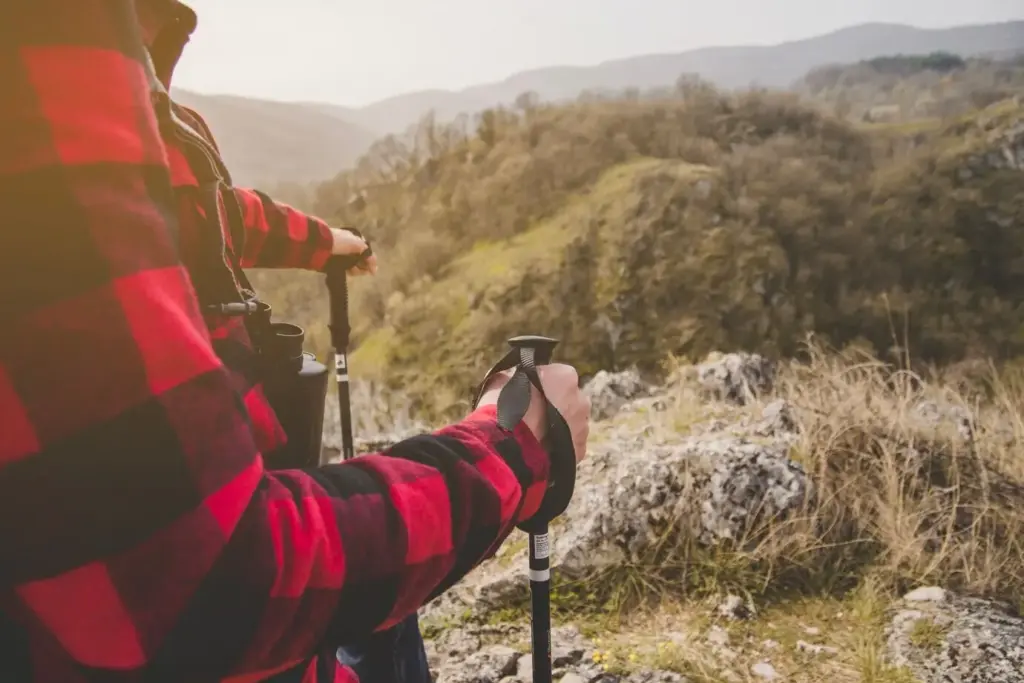
Design for longevity, repair, and reuse must meet the Julian Alps’ reality: abrasive limestone, sudden hail, long hut approaches, and short weather windows. We focus on components that come apart without breaking, mono‑materials for easier recycling, verified recycled content, PFAS‑free finishes, and service networks that actually exist where you hike. The aim is simple: fewer replacements, lighter packs, and gear loops that keep value circulating through seasons, not landfills.

Designing for repair on exposed ridges
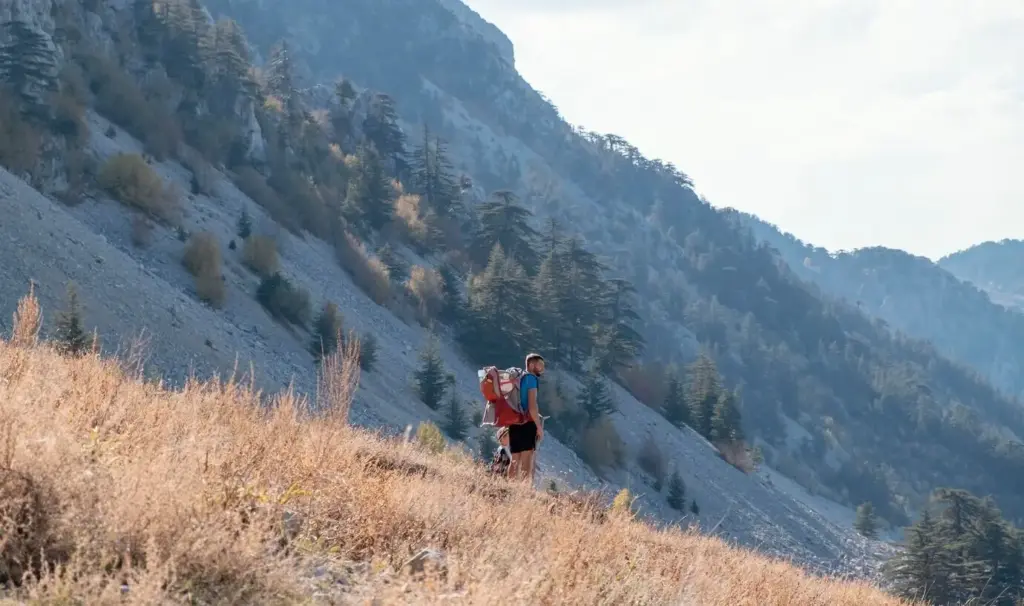
Think zipper sliders that swap without sewing, universal buckles that snap into old webbing, and screws you can tighten with a tiny multi‑tool while sleet needles your face near Vršič Pass. Clear repair diagrams inside pockets guide fixes. When a shell tore on Triglav’s ridge, a simple patch kept warmth in and waste out.

Keeping materials in the loop without greenwash
Use mono‑fiber fabrics where possible so mills can cleanly recycle offcuts and brands can reclaim worn panels. Choose certified dyeing and verification instead of vague claims. PFC‑free repellency, plant‑based wax refreshes, and removable trims reduce contamination. Publish traceable data and invite hikers to scan labels, submit wear reports, and verify promises.

Service models that outlast summit season

Set up take‑back bins at Kranjska Gora shops and popular huts, offer prepaid repair mailers from Ljubljana, and create deposit‑return plans for rental hardware. QR codes maintain service histories. When loops exist locally, hikers participate naturally, parts circulate faster, and broken buckles stop becoming tomorrow’s litter on high trails.

Materials Built for the Julian Alps’ Karst Reality

Karst limestone chews soft weaves, spring melt drenches everything, and freeze‑thaw cycles stretch stitching. Materials must be tough, truly repairable, and healthy for workers and waters. Recycled high‑tenacity nylon, bio‑based polyamides, robust PU membranes, and aluminum 7075 poles balance durability with recyclability. Thoughtful choices shrink microplastic shedding and keep Soča’s turquoise clarity untarnished.
Three‑layer constructions with robust face fabrics and PFAS‑free repellency can still bead sleet when maintained. Field reproofing kits fit a hip belt pocket, letting you refresh protection near Triglavski dom na Kredarici. Fewer chemistries mean easier recycling later, safer factory air today, and less persistent residue washing into alpine basins.
UIAA‑rated ropes with dry treatments free from harmful fluorocarbons last longer without shedding questionable coatings. Rounded‑radius carabiners scar limestone less and stay serviceable. Color wear indicators on slings prevent surprise retirements. When gear ages visibly and honestly, climbers retire it responsibly or return it to loops instead of abandoning scraps.

A pocket kit that actually works above tree line

Pack a stout needle, waxed thread, tenacious tape strips, tiny zip‑ties, a spare lace, Dyneema cord, and a miniature Torx bit for poles and buckles. Keep adhesives close to your body so they stay warm. Clean surfaces with a microfiber patch before sticking. Write solutions inside your map case.

Modular systems that scale with the day

Choose packs with replaceable hip belts and framesheets, trekking poles with swappable tips, and crampons whose bails switch between boots. Swap warmth by snapping in extra liners. When elevation, weather, or partners change, parts shift with you. Modularity prevents panic purchases, reduces spares, and simplifies end‑of‑life disassembly.

How to teach skills, not just sell patches

Partner with Alpine Association clubs for repair nights in Ljubljana, Kranj, and Tolmin. Offer short videos via QR codes sewn under hems, translated for visitors. Reward documented repairs with discounts on spares. Celebrating competence turns small victories into community knowledge that travels faster than storms along the Julian skyline.

Sharing, Renting, and Take-Back in the Soča and Sava Valleys
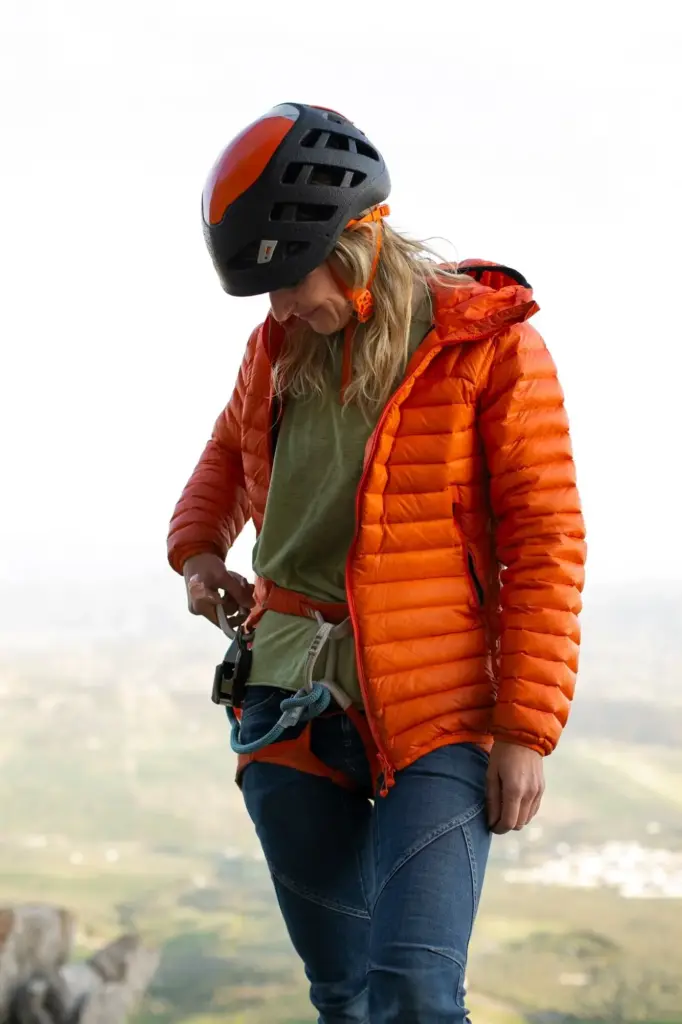
Not everyone needs to own a full alpine kit for one luminous weekend. Rental and resale networks cut extraction, spread costs, and introduce newcomers safely. Build loops with transparent cleaning, careful inspection, and clear responsibilities. When return points mirror trailheads and huts, circular habits feel natural, trustworthy, and refreshingly convenient.

Packing and Moving with the Lightest Possible Footprint

Impact starts in your pack and follows every step. Choose reusables, carry out every gram, and cook considerately. In karst country, water disappears underground fast, carrying whatever we spill. Smart menus, careful fuel use, and tidy camps protect delicate springs, ibex slopes, and the quiet character of limestone valleys.

Food and fuel choices that protect fragile water

Prefer minimal‑packaging foods, refill spice vials, and pre‑soak grains at home. Use efficient stoves and keep windscreens tight to save fuel. Wash far from streams with tiny amounts of biodegradable soap, strain food bits, and pack them out. Carry empties down; canisters are recyclable in designated programs, never in huts.

Clothing systems that reduce washing and waste

Merino or blended base layers resist odors across multiple days, cutting water and detergent. Air garments in huts rather than washing nightly. Repair socks before holes grow. Use a microfiber‑catching bag at home. Fewer loads, fewer fibers, and longer life add up to a clear conscience on summit mornings.

Navigation and electronics without the e-waste hangover

Download offline maps, carry a robust power bank, and protect devices with simple sleeves instead of disposable covers. Share charging sockets in huts courteously. Return dead batteries to collection points in towns. Extend lifespans with replaceable cables and mounts, and refuse gimmicks that add weight, packaging, and disappointment.

Testing, Stories, and Data from the High Country
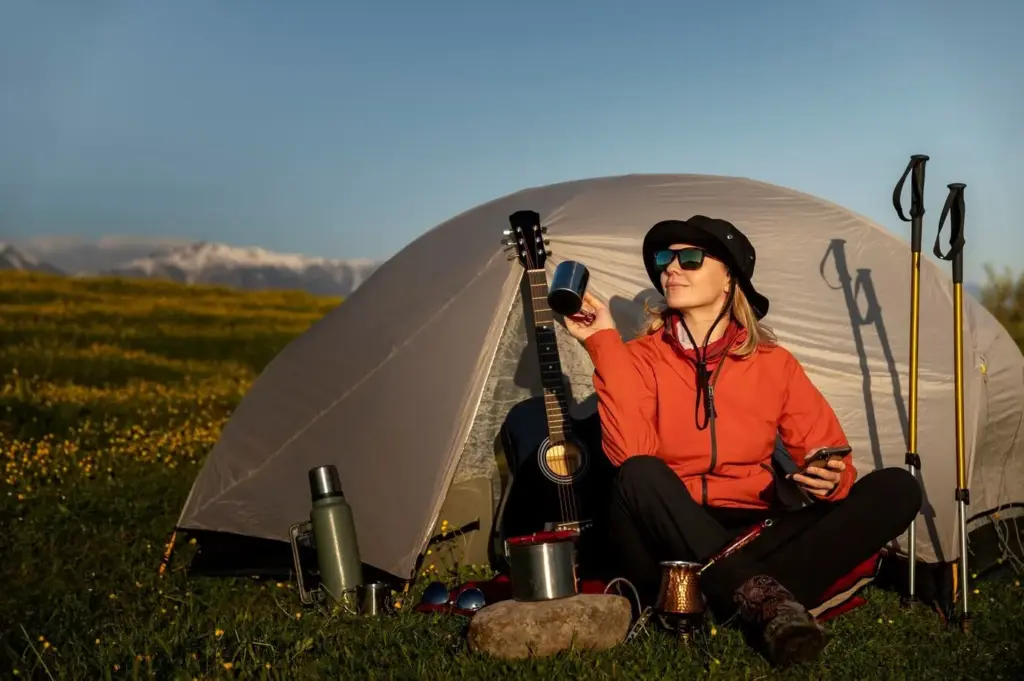
Engineering meets bootprints here. We combine life‑cycle assessments with field days on Prisojnik, Jalovec, and Triglav, translating lab charts into scuffed reality. You’ll hear honest failures and clever fixes, meet the people closing loops, and find ways to join them. Comment, subscribe, and help steer the next prototypes.
Teputavomozetuniru
Privacy Overview

This website uses cookies so that we can provide you with the best user experience possible. Cookie information is stored in your browser and performs functions such as recognising you when you return to our website and helping our team to understand which sections of the website you find most interesting and useful.